Bliss
The fulfilment that grows as awareness, character and universal love expand.

ERAWS · Education · Relief · Welfare
Founded in 1963, ERAWS translates Ánanda Márga’s universal vision into practical service—educating minds, responding to crisis and creating the conditions in which every person can develop with dignity.
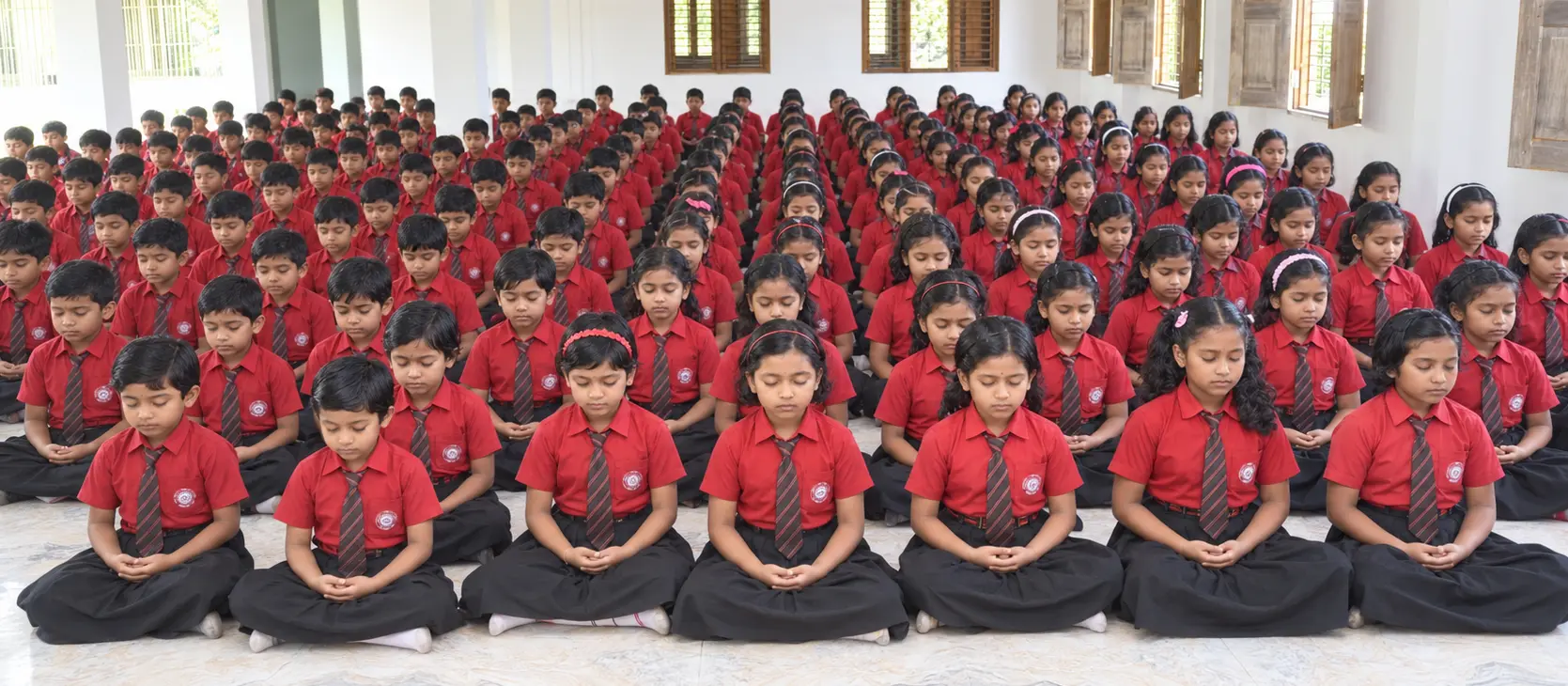
Who we are
A path of bliss expressed through service.
Ánanda means the limitless fulfilment sought through the expansion of awareness, character and love. Márga means a practical path of life integrating physical, mental, social and spiritual development.
Within that wider movement, ERAWS gives education, relief and welfare a dedicated organisational home. Schools, children’s homes, health initiatives, disaster response and community programmes are different expressions of one intention: to help every being move toward greater wellbeing and freedom.
The fulfilment that grows as awareness, character and universal love expand.
A practical way of life joining self-development, ethical action and collective responsibility.
Education, relief and welfare organised for the all-round progress of individuals and communities.
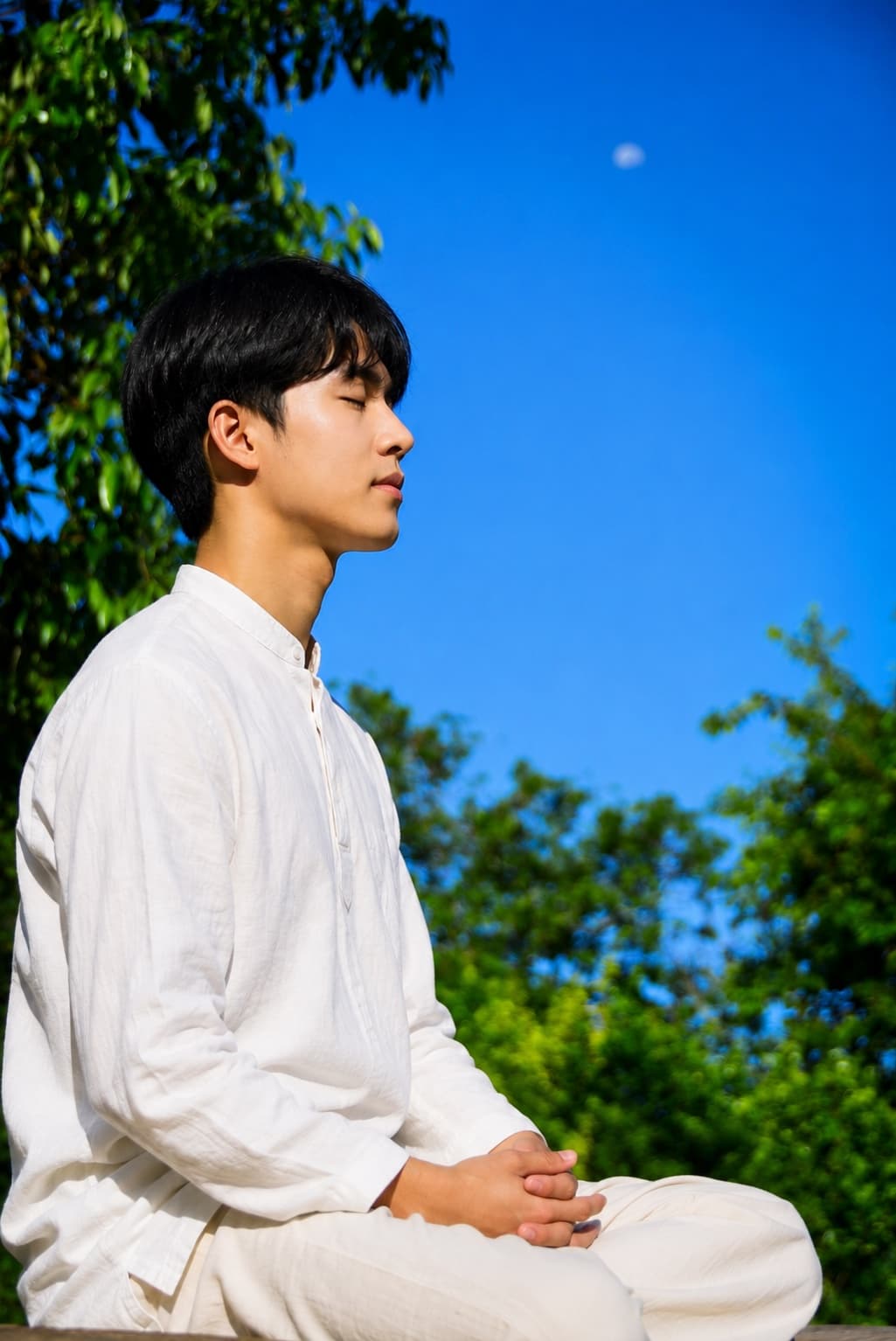
Two wings of one life
Ánanda Márga holds self-realisation and service to all as complementary. Meditation expands awareness; service gives that expanding awareness a practical direction in the world.
Meditation, ethics, self-discipline and self-knowledge cultivate clarity, courage and universal feeling.
Education, relief and welfare turn empathy into organised action that answers real human needs.
Personal progress and collective welfare strengthen one another; neither is complete in isolation.
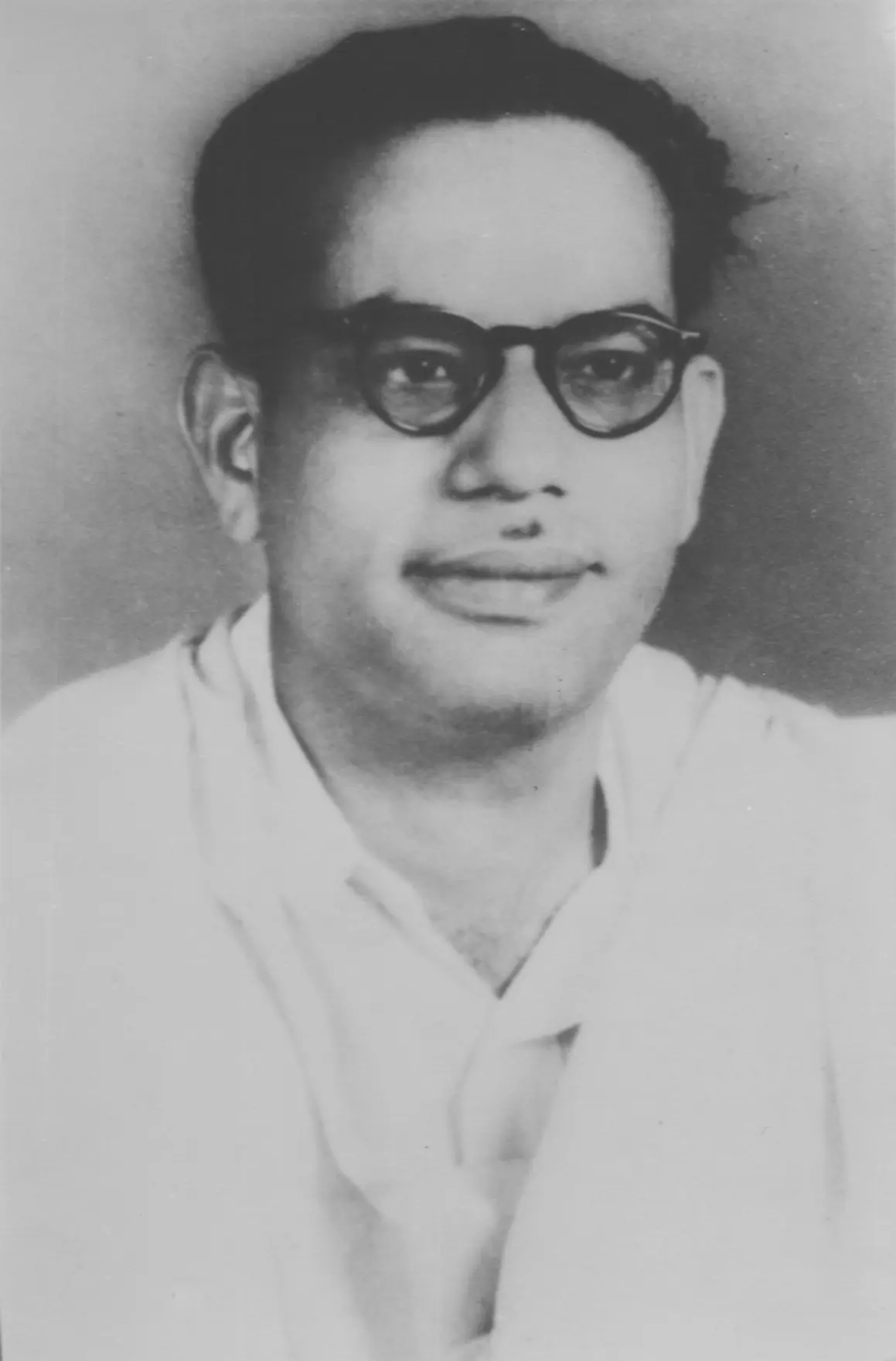
The founding vision
Prabhat Ranjan Sarkar—known spiritually as Shrii Shrii Ánandamúrti—founded Ánanda Márga in 1955. His vision joined contemplative practice with social transformation and rejected dogma, caste prejudice, exploitation and every narrow division of humanity.
He taught that physical, mental, social and spiritual potential should develop together within a society grounded in justice and universalism. ERAWS emerged in 1963 to give this ideal a practical form through education, relief and welfare.
Three fields · one purpose
Neohumanist learning develops intellect, empathy, character, creativity and responsibility toward every form of life.
Humanitarian response protects life and dignity, then works with communities toward recovery and resilience.
Care, health, nutrition, inclusion and community development establish foundations for lasting wellbeing.
A living history
Prabhat Ranjan Sarkar establishes the movement in Jamalpur, India, with the twin direction of spiritual progress and social change.
Education, relief and welfare activities gain a dedicated organisational form, beginning with schools and widening into many fields of care.
The Ánanda Márga Universal Relief Team develops a specialised capacity for disaster response, recovery and community development.
Women-managed relief and development programmes focus particularly on realities faced by women and children.
Education, health, children’s care, relief and community initiatives adapt the same service ideal to many cultures and circumstances.
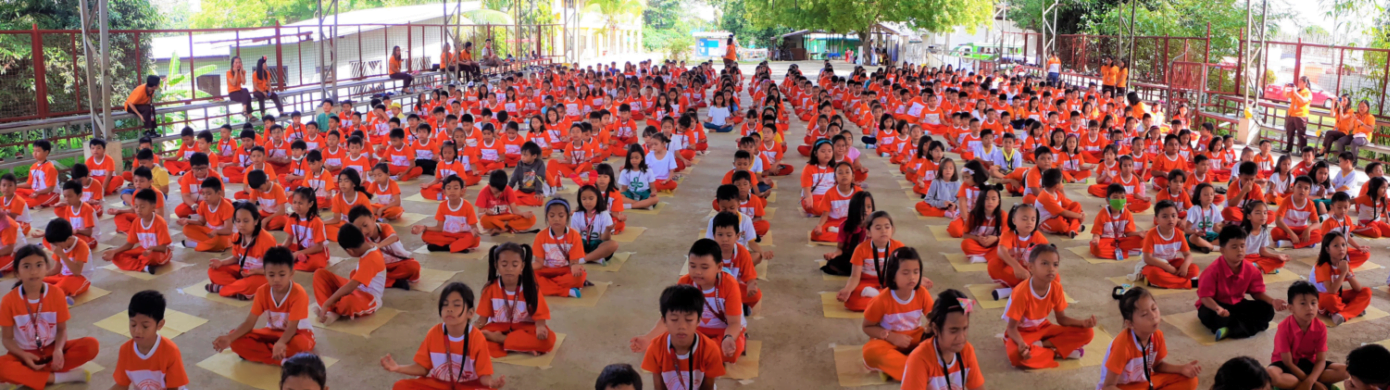
A common philosophy connects education, relief and welfare across regions.
Networks share experience, people and resources across countries and continents.
Programmes are shaped by local needs, languages, cultures and relationships.
Practice and insight move through a living network of workers, volunteers and partners.
Neohumanism
Neohumanism widens human concern beyond narrow identities and beyond humanity alone, cultivating responsibility toward animals, plants and the ecosystems that sustain all life.
Every person belongs to one human family, beyond nationality, race, caste, gender, belief or social position.
Humanism expands to include animals, plants and every living expression within our shared world.
Education and development protect natural resources and cultivate an ecological, future-minded outlook.
Principles in action
Good service solves an urgent problem while expanding the confidence, knowledge and cooperation communities can carry forward.
Apparent differences never cancel the deeper unity and equal worth of all people.
Physical, mental, emotional, social and spiritual dimensions deserve balanced attention.
Every person should have the conditions and resources needed to develop their potential.
Care crosses barriers of nationality, status, belief, ethnicity and gender.
Lasting development increases the power of communities to determine their own future.
Human welfare remains inseparable from animals, plants and the natural world.
A wider family of service
Neohumanist education, research and service across schools and institutes.
Humanitarian response and development joining urgent assistance with local capacity.
Women-managed relief and development with women, children and families.
Community-rooted centres connecting ecology, agriculture, health, culture and spiritual practice.
A living tradition
Connect with ERAWS, explore its fields of work or begin a conversation about education, relief and welfare in your community.
Contact ERAWS