Physical vitality
Movement, health, practical activity and care for the body create the stability from which attention, confidence and service can grow.
ERAWS · Education
Ánanda Márga education cultivates the whole human being—physical vitality, expansive intellect, moral courage and spiritual depth—so knowledge becomes a force for personal freedom and universal welfare.
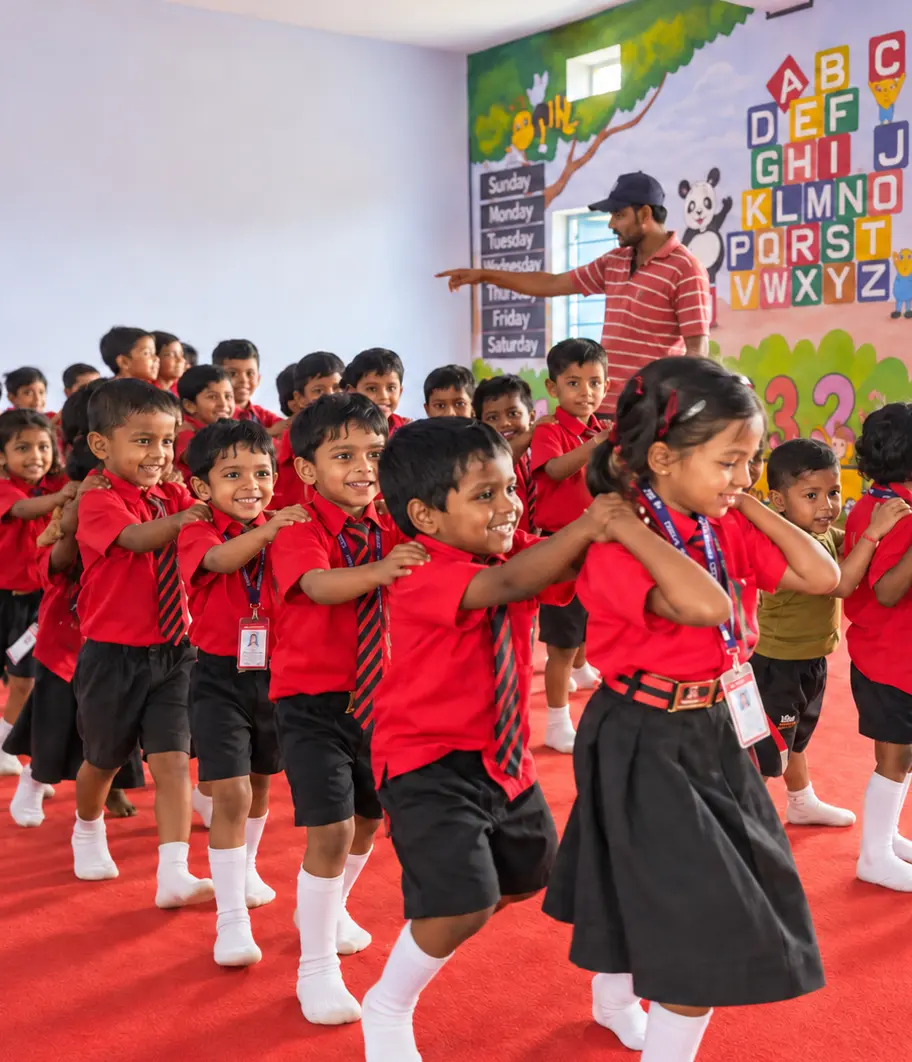
The meaning of education
Education is not information stored. It is the development and application of every human faculty.
“Real education leads to a pervasive sense of love and compassion for all creation.”Shrii P. R. Sarkar
In Ánanda Márga, education has a threefold purpose: to strengthen the body, expand the mind and awaken the deepest dimensions of consciousness. These are not separate subjects; they form one coordinated process of becoming fully human.
Learning is measured not only by what a student remembers, but by the clarity, character and practical capacity with which knowledge is used in everyday life—for self-development and the welfare of the world.
Threefold development
Movement, health, practical activity and care for the body create the stability from which attention, confidence and service can grow.
Inquiry, science, imagination, language and the arts develop discernment—the capacity to think deeply, independently and constructively.
Meditation, ethics and self-knowledge cultivate inner balance, compassion and a widening sense of relationship with all existence.
Neohumanist education
Neohumanism expands the circle of care beyond narrow identities and beyond humanity alone. It helps learners feel the interconnection of people, animals, plants and the living world—then translate that awareness into thoughtful choices and service.
Dignity and care extend across differences and toward every expression of life.
Students learn to question dogma, examine assumptions and develop rational discernment.
Learning reveals mutual dependence and nurtures responsibility for the natural world.
Education honours local language and culture while widening each learner’s global horizon.
Art, music, movement, story and play make learning vivid, integrated and memorable.
Understanding becomes complete when applied with skill, courage and compassion.
A living curriculum
Science, language, mathematics and the humanities connect with real problems, useful skills and daily life.
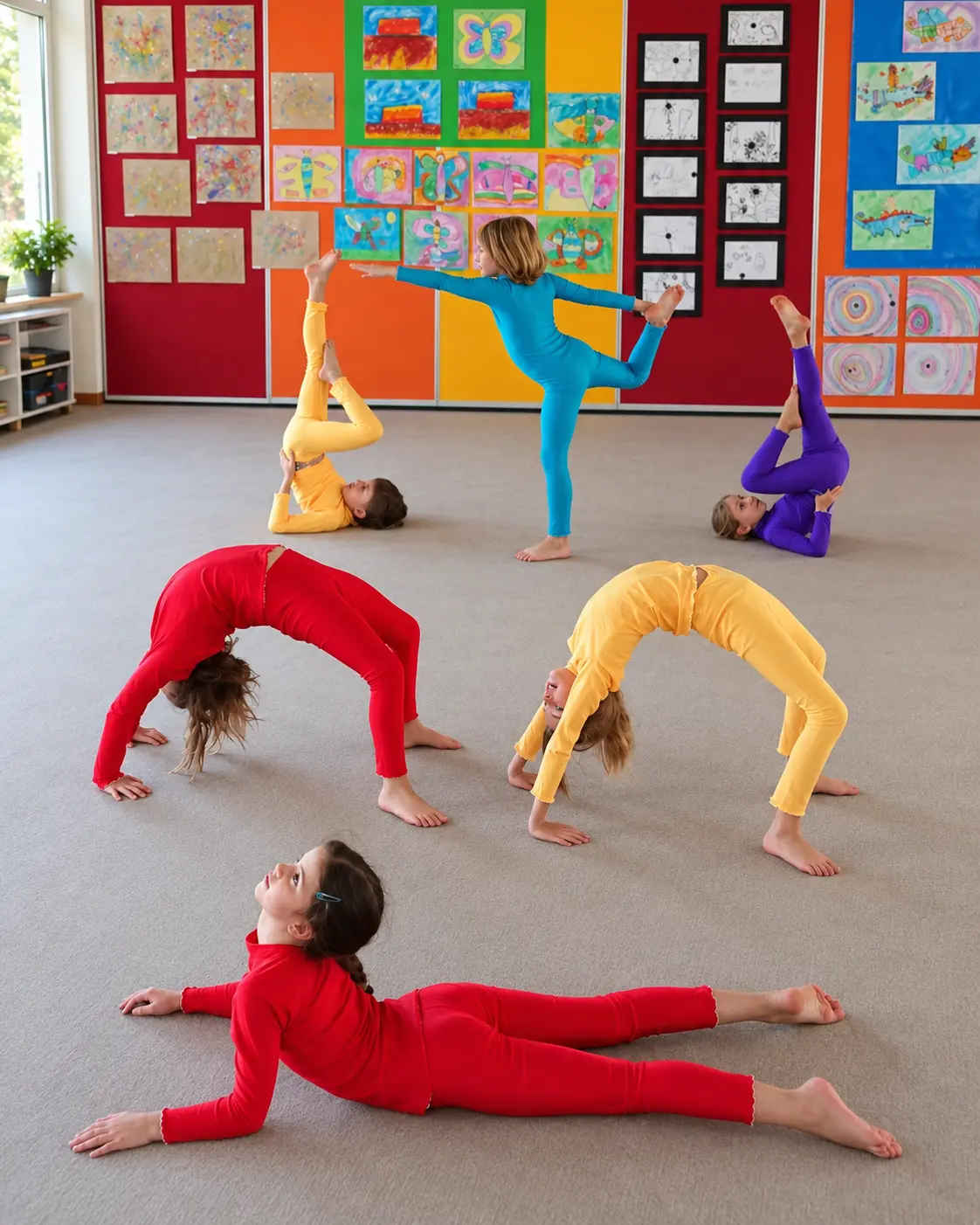
Age-appropriate physical practices develop balance, health, concentration and self-regulation.
Music, visual art, drama, story and movement provide many languages for understanding the world.
Ecological learning and community action help students experience responsibility as a lived relationship.
The educator
Teaching is a way of being.
The teacher’s character is part of the curriculum. Professional skill matters deeply, but so do personal integrity, emotional steadiness, a spirit of service and the ability to awaken confidence in every child.
A Neohumanist educator creates a learning culture where each child is known, challenged and encouraged to direct their abilities toward the wellbeing of all.
Beyond the classroom
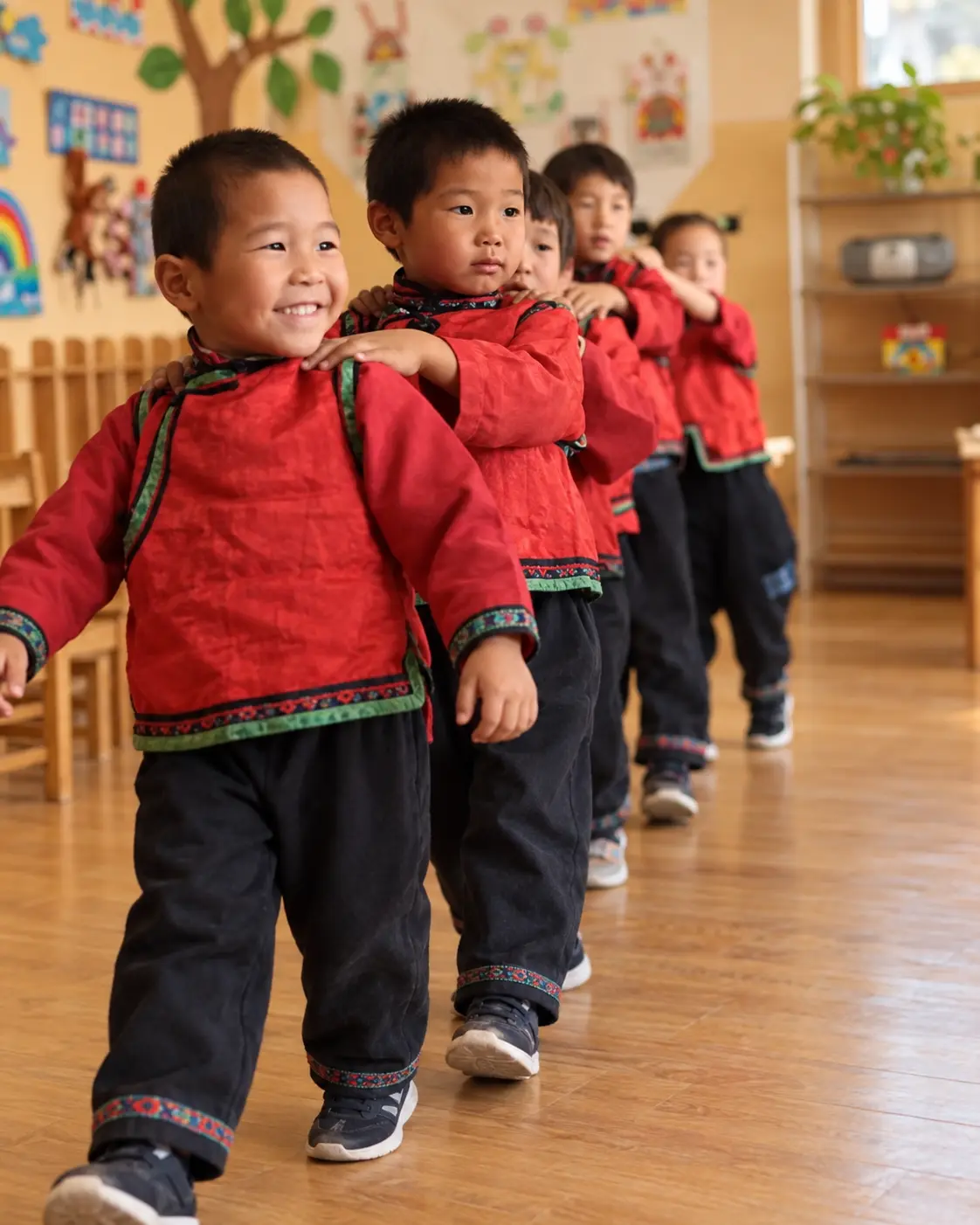
Especially where resources are scarce, education cannot be isolated from the life around it. Relationships with families and local organisations can open pathways to adult literacy, health support, practical training, child care and community self-reliance.
Open relationships connect children’s learning with the knowledge, needs and strengths of home.
Nutrition, health, child care and counselling can remove barriers that prevent children from thriving.
Adult literacy, vocational learning and community initiatives extend the school’s value across generations.
A global learning movement
Ánanda Márga schools and learning initiatives have been established across diverse cultures and communities.
The wider education network includes early childhood, primary and secondary learning environments.
Help every learner unfold their potential and direct it toward the welfare of all.
Network figures reflect Ánanda Márga Gurukula’s published K–12 overview.
Education for universal welfare
Connect with ERAWS to support education projects, exchange knowledge or explore collaboration in Neohumanist learning.
Contact ERAWS