ERAWS offices
For questions crossing education, relief and welfare, begin with the ERAWS offices below. A concise message makes routing easier.
Connect with ERAWS
Whether you are writing about a school, community need, humanitarian relief, volunteering or a possible partnership, the most useful first step is a clear human connection.
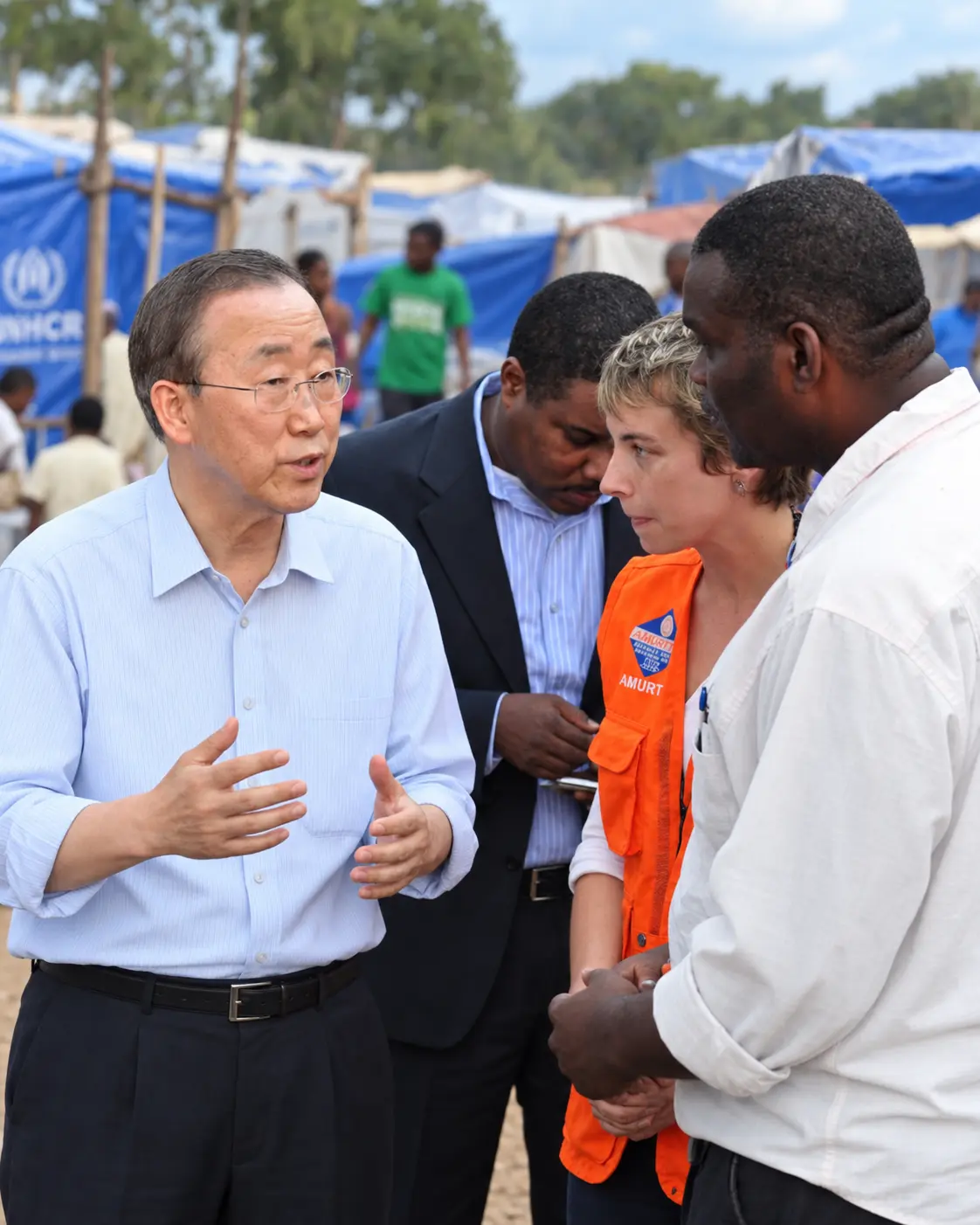
Choose the right doorway
For questions crossing education, relief and welfare, begin with the ERAWS offices below. A concise message makes routing easier.
For school projects, Neohumanist education, curriculum, teacher development or student wellbeing, explore ERAWS Education.
For disaster response, humanitarian partnership or relief volunteering, use AMURT’s official contact route.
For women-managed welfare and programmes supporting women and children, connect with AMURTEL.
ERAWS offices
These office details are retained from the ERAWS source page. Please telephone before travelling or sending time-sensitive material.
Before you write
You do not need a formal proposal. A few concrete details help ERAWS or the relevant service network understand the context, route the enquiry and reply constructively.
Share your name, organisation or community role, and your relationship to the enquiry.
Include the country, state or province, and locality so the message can reach the closest relevant network.
Name the field—education, relief, welfare, volunteering or partnership—and the specific action you have in mind.
Describe who is affected, what is already happening and whether there is an urgent timeframe.
Give an email address or telephone number, your time zone and any preferred language.
Partnership
Bring local priorities, knowledge, trust and a clear understanding of the people a project should serve.
Connect learning, teacher development, student wellbeing and Neohumanist educational practice.
Contribute expertise, funding, research, logistics or pathways to wider public systems.
Offer time responsibly, align skills with a real need and work within local leadership and safeguarding practice.
Relief and urgent needs
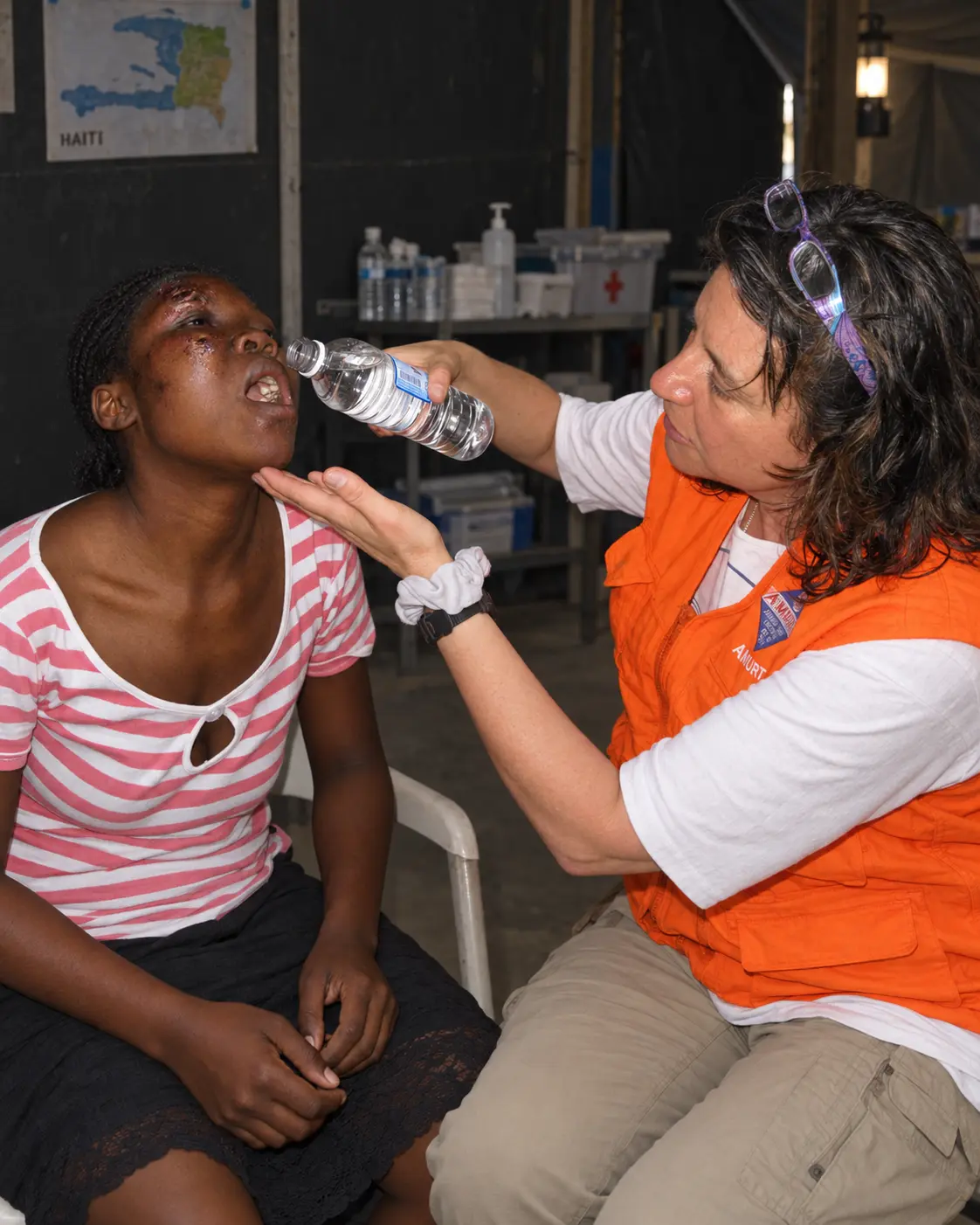
Contact the emergency services and established humanitarian responders in the affected area first. ERAWS cannot guarantee an immediate response through a general enquiry.
For humanitarian coordination, partnership or volunteering, AMURT’s operational contact route is the most direct starting point. For women- and child-focused welfare, contact AMURTEL.
What happens next
Different enquiries require different expertise and local knowledge. A careful first response may begin by clarifying the situation or connecting you with another office or service organisation.
The team reads for purpose, location, urgency and the practical question behind the message.
Education, relief and welfare enquiries may be forwarded to a regional or specialist contact.
The relevant team may request context, local references or supporting information before advising.
A next step could be a call, referral, project discussion, resource link or an explanation of what is currently possible.
How we communicate
Describe people and communities with care. State what is known, what is uncertain and what would genuinely help.
Share only necessary information. Protect children, people at risk and anyone whose identity or location could expose them to harm.
The people closest to a situation are participants in the solution. Their insight and consent belong at the centre.
Begin the conversation
Choose the most relevant pathway, share the essential context and leave a dependable way to reply. Every constructive collaboration begins with one clear first step.
Call ERAWS