Protect life now.
Rapid assessment and coordinated action bring essential support to people facing danger, displacement and loss.
ERAWS · AMURT Relief
AMURT responds when disaster, poverty or conflict places life and dignity at risk—meeting urgent needs while helping communities recover their strength, voice and direction.
The meaning of relief
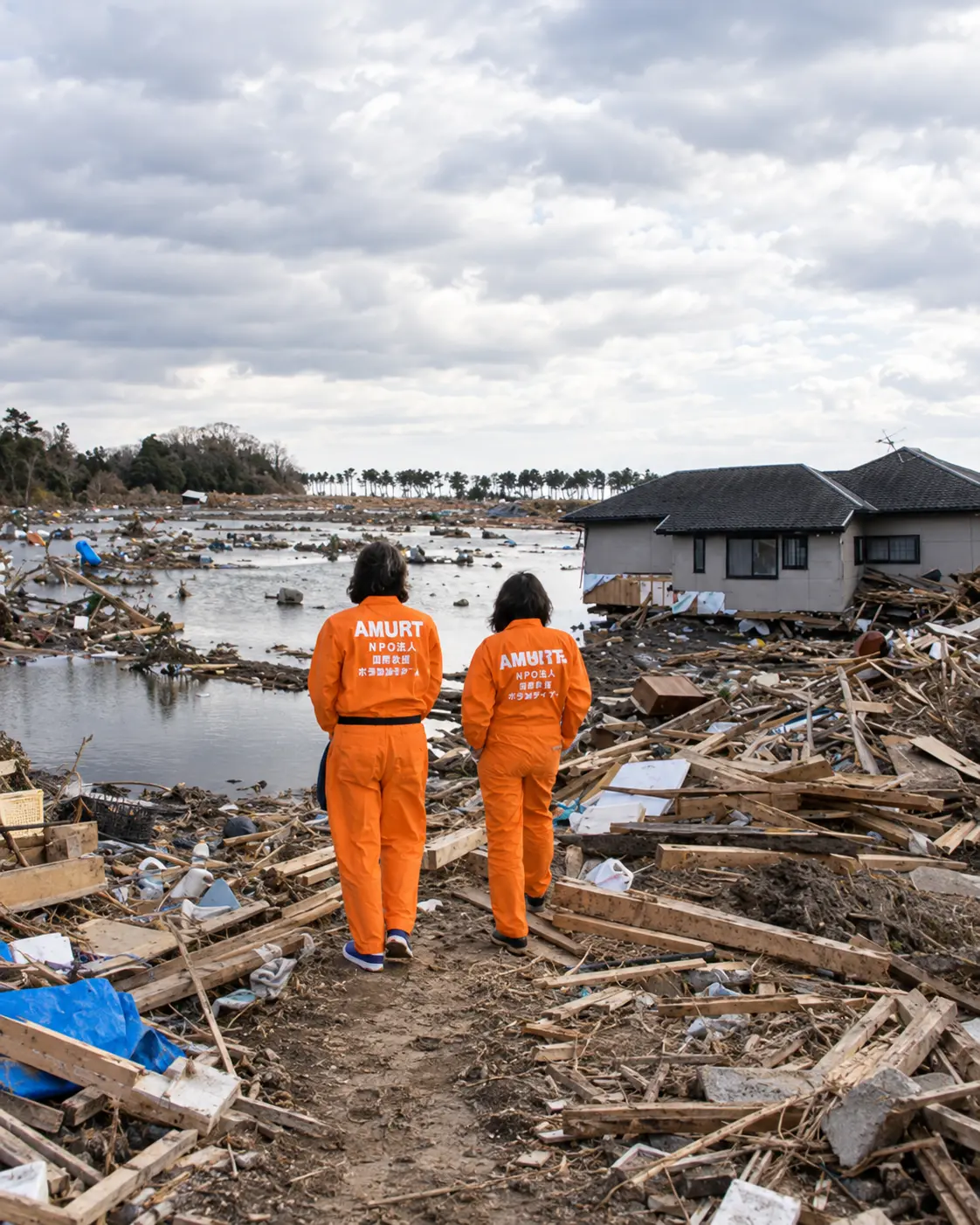
The first duty is to protect life. The deeper duty is to restore human agency.
Ánanda Márga relief begins with sevá: service offered because every human being belongs to one human family. Aid is not conditioned by nationality, ethnicity, gender, social status or belief.
The aim is not to impose a ready-made solution. AMURT listens to local knowledge, respects language and culture, and works with people so emergency assistance becomes a path toward confidence, self-direction and lasting resilience.
A grassroots response to disasters affecting the Indian subcontinent grew into a worldwide network of independent chapters.
The relief continuum
Rapid assessment and coordinated action bring essential support to people facing danger, displacement and loss.
Cleanup, health services, child-friendly spaces and psychosocial care help individuals and families regain stability.
Livelihoods, education, local organisation and practical skills help communities shape recovery on their own terms.
Needs-led relief
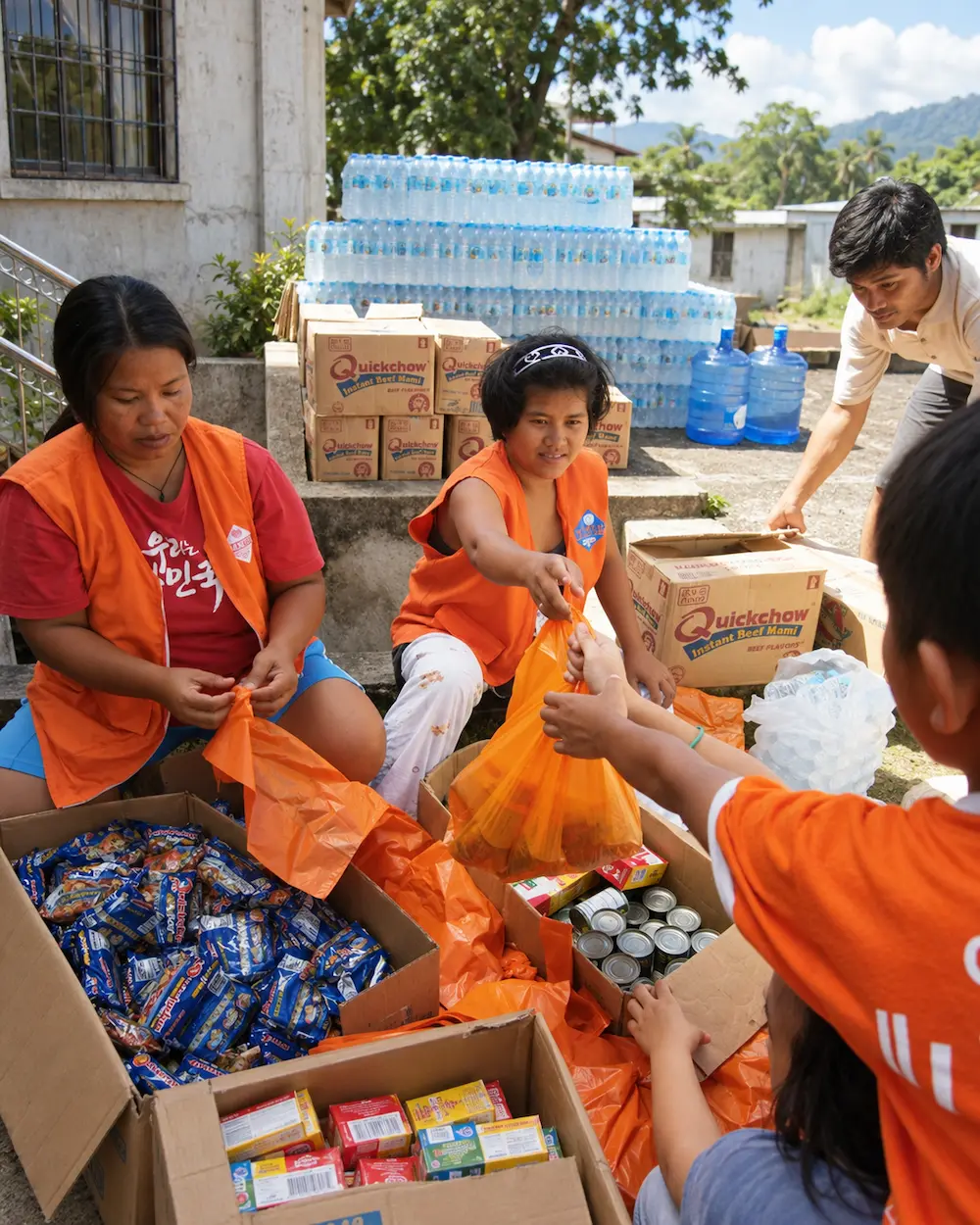
Field teams and community members identify who is most vulnerable, what is missing and what can already be mobilised.
Food, safe water, shelter, clothing, hygiene supplies and medical care are prioritised according to the actual emergency.
Safe spaces, infant supplies and psychosocial support help restore routine, protection and trust.
Cleanup, water purification, lighting, tools and practical support help households and neighbourhoods function again.
Organised compassion
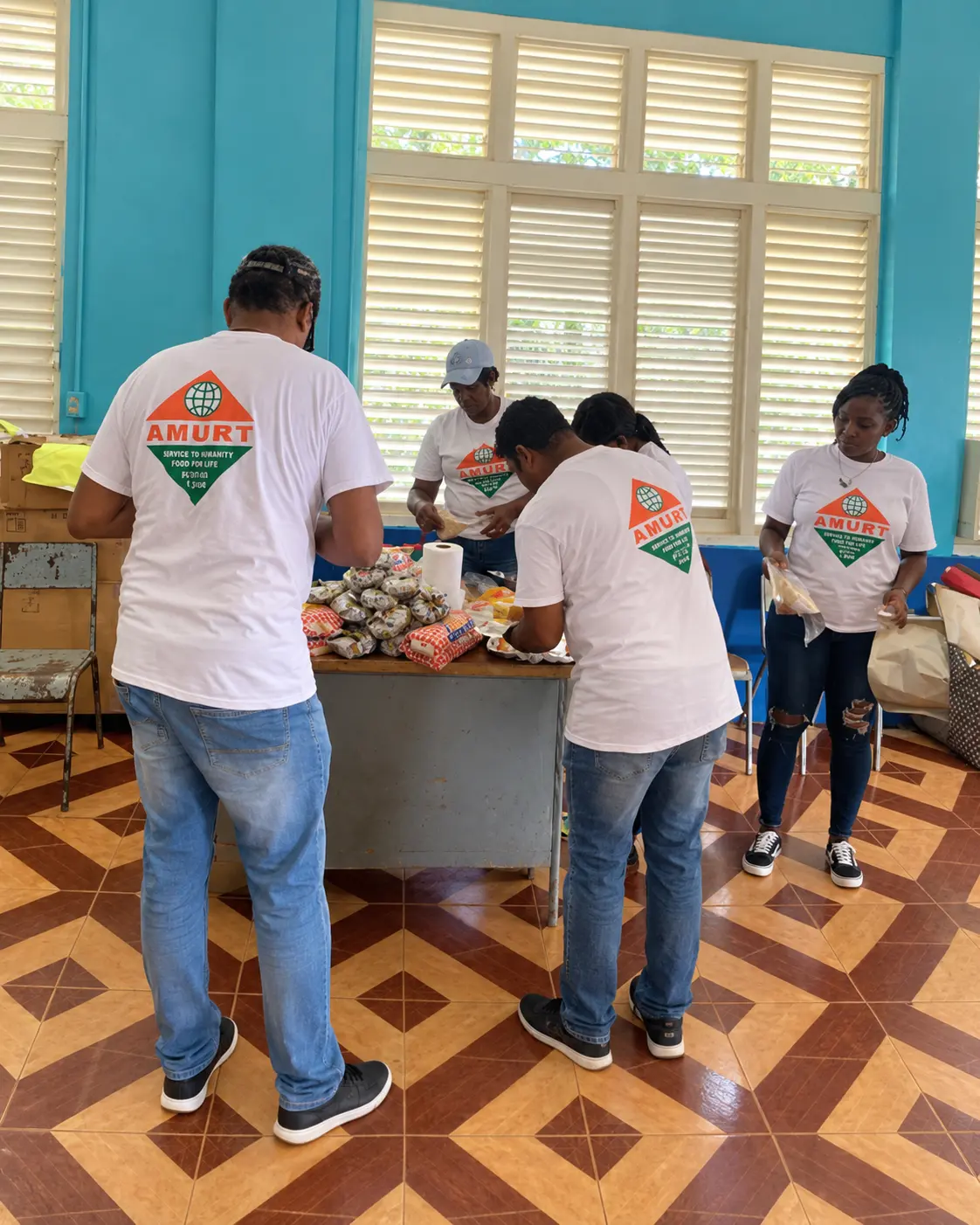
AMURT combines the immediacy of volunteers with the discipline of organisation. Local field directors, community relationships and partnerships make rapid action possible while keeping the response accountable to the people being served.
Clear roles, practical training and trusted local coordination help resources move where they are most useful.
Assessment, safeguarding and transparent partnerships protect both dignity and effectiveness.
Local relationships allow support to continue beyond the first news cycle and into recovery.
Local solutions
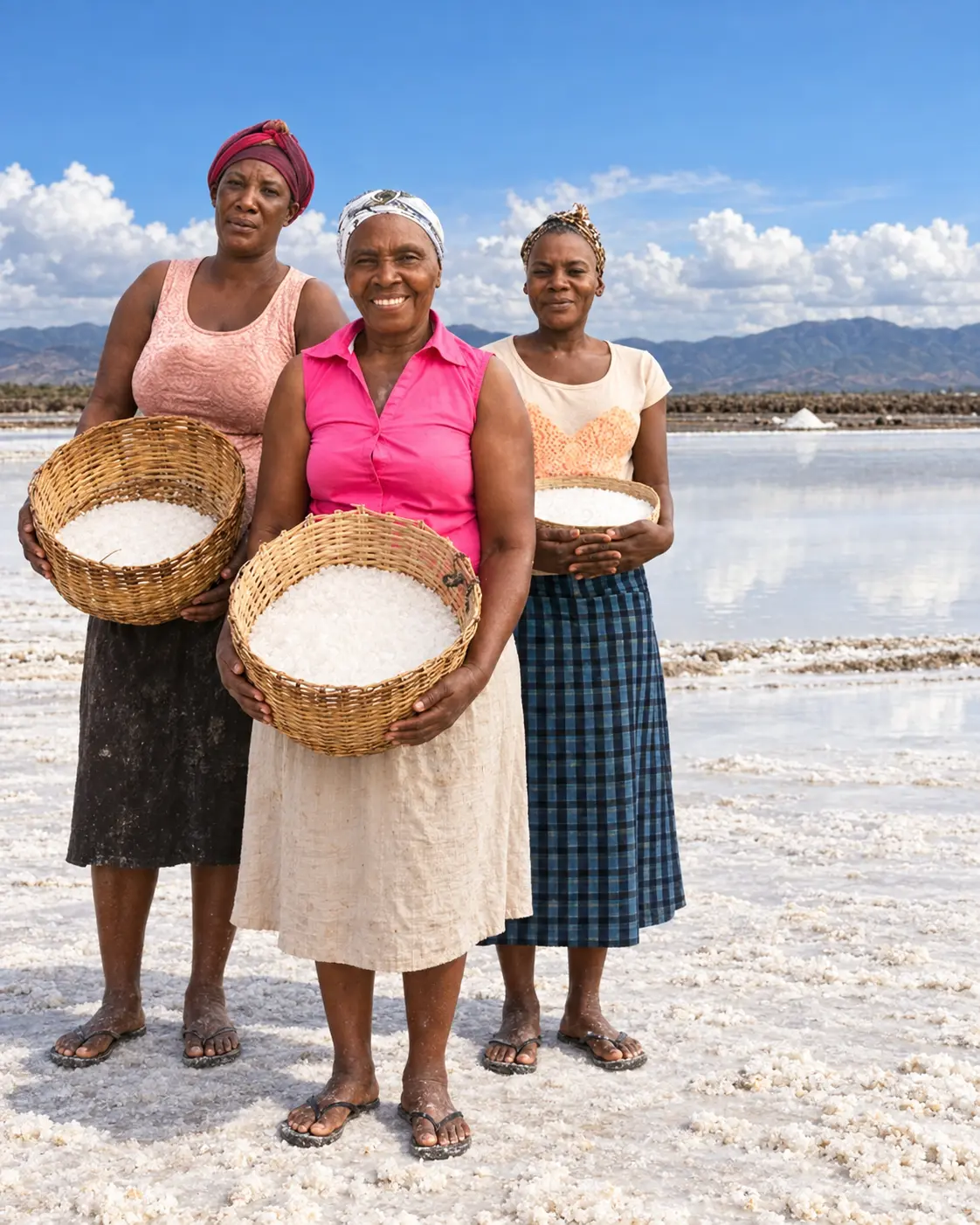
Poverty and disaster never have identical causes in every place. Effective recovery begins within a community’s own social and cultural framework, combining local wisdom with useful resources, training and wider partnerships.
Skills, small enterprises, self-help groups and access to resources can restore income and choice.
Clinics, maternal care, feeding programmes and schools strengthen the foundations of community wellbeing.
Training and organisation help people meet future challenges with greater confidence and coordination.
AMURTEL
Founded in 1975, AMURTEL builds women-led teams and partnerships that understand the distinct needs and strengths of women and children.
Child-friendly spaces, psychosocial support, nurturing homes, health services and education help recovery continue.
Vocational training, self-help groups and community partnerships expand economic independence and participation.
Principles in action
Relief is effective when its methods protect the same dignity it seeks to defend.
Food, shelter, clothing, medical care and education are foundations of dignity, not privileges.
Every person is approached as an equal member of the human family.
Culture, language, resources and community knowledge shape the response—not an imported formula.
Harmonious development requires women’s full participation, leadership and economic strength.
The strongest programme leaves people with greater capacity to build their own future.
A growing service network
Formed in India to serve populations affected by recurring disasters on the subcontinent.
A women-managed relief and development network focused particularly on women and children.
Local organisations and field teams cooperate across countries while remaining responsive to local reality.
From compassion to capacity
Connect with ERAWS, learn more about AMURT’s current work or support a relief response rooted in dignity and local strength.
Contact ERAWS